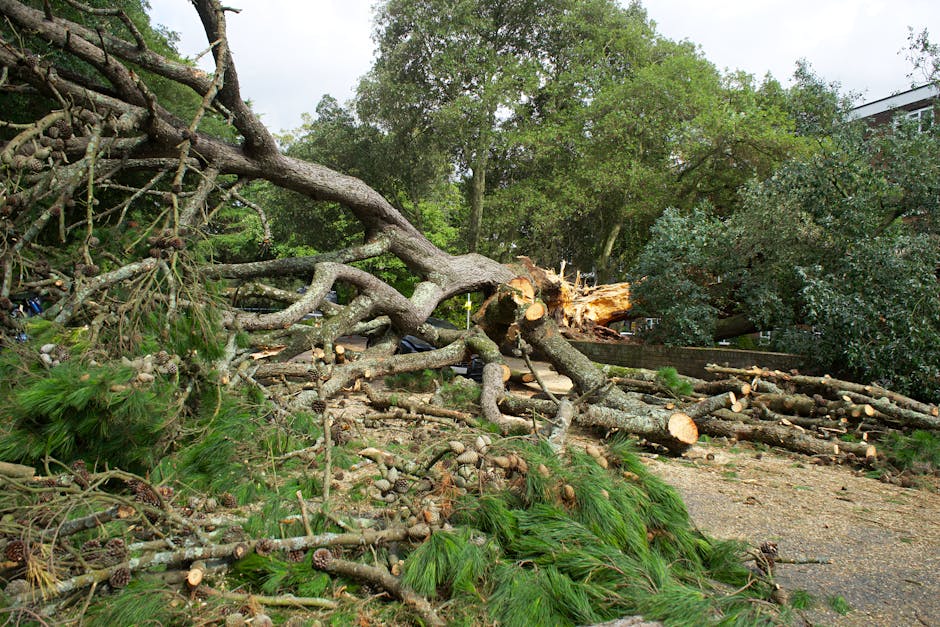
Emergency tree down response Chessington gardeners same day service
A tree coming down across a drive, garden, roof edge, or boundary can turn a normal day into a proper mess in minutes. Branches block access, roots can lift paving, and what looks stable at first glance may not be stable at all. If you need Emergency tree down response Chessington gardeners same day service, the main goals are simple: keep people safe, stop further damage, and get the site made secure as quickly as possible.
This guide explains what emergency tree response actually involves, how same-day garden support usually works in Chessington, what to do before help arrives, and how to judge whether a tree can be made safe or needs removal. It also covers common mistakes, useful checks, and the practical questions people ask when the wind has done its worst. Truth be told, when a tree is half-down and the fence is leaning at a funny angle, you need calm, not guesswork.
For readers comparing service types, it can help to understand how this sits alongside routine maintenance and clearance work. You can also look at broader support such as garden maintenance, garden clearance, or specialist tree lopping and removal if the issue is beyond a simple tidy-up.
Table of Contents
- Why Emergency tree down response Chessington gardeners same day service Matters
- How Emergency tree down response Chessington gardeners same day service Works
- Key Benefits and Practical Advantages
- Who This Is For and When It Makes Sense
- Step-by-Step Guidance
- Expert Tips for Better Results
- Common Mistakes to Avoid
- Tools, Resources and Recommendations
- Law, Compliance, Standards, or Best Practice
- Options, Methods, or Comparison Table
- Case Study or Real-World Example
- Practical Checklist
- Conclusion
- Frequently Asked Questions
Why Emergency tree down response Chessington gardeners same day service Matters
A fallen or partially fallen tree is not just a gardening issue. It can block access, damage fences, crush plants, interfere with neighbours, and create a hazard for anyone walking nearby. In a place like Chessington, where gardens, driveways, boundary lines, and side access routes can be tight, one awkward tree failure can affect more than one property. That is why a same-day response matters so much.
The first reason is safety. A tree that has already moved can move again. Limbs under tension may spring, split, or drop without warning. Even if the trunk looks "settled", the weight distribution may have changed. One good gust and, well, the problem gets bigger fast.
The second reason is preventing secondary damage. A tree resting on fencing, a garage roof, or a shed can cause a slow crush as the day goes on. Water ingress, broken panels, lifted paving, and damaged planting beds often follow. A quick response can sometimes reduce the scale of the repair bill, even if the tree itself is already down.
The third reason is peace of mind. When the garden suddenly feels unsafe, people want a clear answer: what is dangerous, what can wait, and what should happen next? Same-day local support is useful because it turns uncertainty into a plan. You are not left staring at a fallen trunk wondering if you should touch it, move it, or just shut the back gate and hope for the best.
There is also a practical local angle. Chessington properties often need access kept clear for bins, parking, neighbour access, and day-to-day use. A tree across a path or driveway can make life awkward very quickly. For homeowners, landlords, and property managers, the value of fast intervention is partly about safety and partly about keeping the property usable.
Practical takeaway: if a tree has come down or looks unstable, treat it as an urgent safety issue first and a garden job second. The tidy finish comes later; the secure site comes first.
How Emergency tree down response Chessington gardeners same day service Works
Emergency tree response is usually a focused, staged process. It is not the same as standard pruning or routine hedge work. The aim is to assess risk quickly, make the area safe, and decide whether the tree can be reduced, sectioned, or removed. In a same-day scenario, speed matters, but not at the expense of judgement.
1. Initial contact and triage
The first call or message should give a clear picture of the problem. Is the tree fully down, leaning, or split? Is it touching a building, blocking a road, or hanging over a neighbour's garden? Are power cables involved? Is anyone injured? These details help prioritise the response and decide what tools and people are needed.
If there is any sign that the tree is in contact with electricity lines or a dangerously unstable structure, the safest move is to keep everyone back and avoid trying to move it. That is not overcautious; it is sensible.
2. Arrival and safe site check
On arrival, the first job is usually a visual inspection from a safe position. The operatives look at the direction of the fall, the tension in branches, root plate movement, cracked stems, and anything that could shift during cutting. They may also check access points, overhead restrictions, and the best route for removing waste.
This is where experience matters. A tree can look dramatic but be straightforward to clear, or look simple and actually be awkward as anything. The angle of the lean, the species, the break point, and the way it is resting all change the plan.
3. Making the area safe
Depending on the situation, this may involve cordoning off the area, removing loose branches, reducing the crown, cutting away sections under tension, or carefully dismantling the tree in stages. Sometimes the safest option is to leave part of the tree in place until more equipment or permission is available. That may sound slow, but it is usually the right call.
4. Clearance and tidy-up
Once the immediate hazard is under control, the team will typically clear timber, branches, and debris. If the tree has smashed fencing or crushed planting, the site may need a more complete garden clearance. You might also decide whether the remaining stump should be addressed later through stump grinding, replanting, or landscaping adjustments.
5. Follow-up advice
A good response does not end when the debris is gone. You should be told whether the tree was storm-damaged, whether surrounding trees should be checked, and whether there are signs of decay, root instability, or hidden structural issues. Sometimes the real problem is not wind alone; it is old decline that finally gave way.
Key Benefits and Practical Advantages
The obvious benefit is speed. If a tree is blocking access or creating a hazard, same-day attendance can stop the situation from dragging into the next day or, worse, the next weekend. But there are several other advantages that people often only notice afterwards.
- Reduced risk to people and property - the sooner unstable timber is dealt with, the lower the chance of further damage.
- Clear decision-making - you get a practical assessment of what can be made safe and what needs removal.
- Less disruption - driveways, side access, gardens, and bins can be restored more quickly.
- Better cleanup options - emergency work can be linked with longer-term garden recovery, not just a quick cut-and-go job.
- More control over follow-up costs - dealing with the immediate hazard can prevent a small problem becoming a larger repair later on.
There is also a quieter benefit: confidence. If you have ever looked out into a garden on a windy evening and heard a tree creak in a way that makes your shoulders tense up, you will know the feeling. Having someone assess it properly takes a weight off.
For some properties, emergency response also helps preserve the rest of the garden. Careful access planning can avoid unnecessary trampling of lawns, borders, and paving. That sounds small, but after a storm, a muddy garden can feel like one problem too many. Nobody wants a rescue mission that leaves a second mess behind.
Who This Is For and When It Makes Sense
This service makes sense for anyone dealing with a tree that has already fallen, is partially down, or is clearly unstable and likely to fail soon. The most common situations include domestic gardens, rental homes, shared boundaries, commercial outdoor areas, and properties that have been hit by wind, heavy rain, or snow. In Chessington, that can mean anything from a rear-garden conifer split in a storm to a larger tree resting awkwardly over a fence line.
It is especially relevant if:
- the tree is blocking access to your home, garage, or parking space
- branches are touching a building, shed, greenhouse, or outbuilding
- the root plate is lifted or visibly disturbed
- the trunk is split, snapped, or hanging at an angle
- there are signs of decay, rot, or weakened limbs
- you need the site made safe before neighbours, tenants, or visitors arrive
It also makes sense when the issue is not fully "emergency" in the dramatic sense, but still urgent. For example, a leaning tree after high winds may not have fallen yet, but if the root plate has shifted or the canopy is suddenly off-balance, waiting can be a gamble. And frankly, trees do not tend to get less awkward overnight.
Landlords and letting agents often need a fast response because access and duty of care matter. Homeowners may want to protect the house and car. Businesses may need to reopen paths or parking areas quickly. Different people, same basic need: get the area safe without creating more damage.
Step-by-Step Guidance
If you are dealing with a downed tree right now, keep the process simple. Do not rush into cutting, dragging, or propping anything yourself unless you are absolutely sure it is safe. Here is a sensible order of operations.
- Keep people away from the danger zone. Stop children, pets, visitors, and neighbours from going near the fallen tree or unstable branches.
- Check for immediate danger. Look for power lines, broken structures, blocked exits, leaking gas smells, or anything that suggests a wider emergency.
- Take a few photos from a safe distance. These can help with explaining the issue, insurance discussions, or later repair planning.
- Describe the problem clearly. Say whether the tree is fully down, partially down, leaning, or hanging. Mention access issues and whether any structures are hit.
- Wait for a proper assessment. A careful site check comes before cutting. That part matters more than people sometimes think.
- Agree the safe method. This may be sectioning, limb removal, full extraction, or temporary stabilisation while longer-term work is arranged.
- Clear waste and make a follow-up plan. Once the hazard is gone, decide what happens to the stump, damaged planting, and any fencing or paving repair.
If you are unsure whether the tree is safe to touch, assume it is not. That sounds cautious because it is. But caution is cheaper than a trip to urgent care or a second broken fence panel.
A small but useful point: if the tree has come down onto soft garden ground after rain, the surrounding soil may be slippery and unstable. Even experienced workers slow down in those conditions. Wet grass and root disturbance are a poor mix, especially in the dark or under poor light. Come back to it with proper help rather than doing a heroic wobble in muddy trainers.
Expert Tips for Better Results
A fast response is good. A fast, sensible response is better. In practice, that means balancing urgency with control.
- Prioritise safety over tidiness. The first pass is about making the site safe, not making it look perfect.
- Identify what the tree is resting on. A tree on a hedge is different from a tree on a roof edge, and both are different from one wedged into another tree.
- Keep the access route clear. If the garden gate is blocked or narrow, mention that early. Access changes the whole job.
- Ask whether the tree can be sectioned in place. Sometimes the safest approach is to remove it piece by piece rather than try to drag it.
- Think beyond the trunk. Fallen trees often reveal other issues: dead limbs, weak unions, or poor root anchorage in nearby trees.
- Plan the end state. Do you want a clean lawn, a rebuilt border, a new planting area, or just the hazard removed for now?
One thing we often see is a property owner focusing only on the tree itself, while the real headache is the damaged fence or blocked path. Fair enough. That is the dramatic bit. But the full fix often includes waste removal, fence stabilisation, and a bit of garden recovery work too.
If the tree problem is tied to wider garden neglect, a follow-up visit for landscape gardening can help restore balance rather than just patching over the damage. Same garden, better result.
Common Mistakes to Avoid
People in a hurry make understandable mistakes after a tree comes down. The trouble is, trees under strain can punish those mistakes quickly.
- Trying to move heavy sections by hand. A limb can roll, twist, or suddenly release tension.
- Cutting without a plan. One wrong cut can change the load path and make the situation more dangerous.
- Ignoring overhead hazards. Cables and hidden obstructions are easy to miss from ground level.
- Assuming a leaning tree is stable. Leaning often means the root system or trunk structure has already failed in part.
- Leaving the area open. If you have children, pets, or neighbours nearby, the danger zone should be physically blocked off.
- Forgetting about the aftermath. Once the tree is removed, you may still need stump treatment, fence repair, or replanting.
Another common error is waiting too long because the tree is "not quite as bad as it looks". To be fair, that sentence has cost people more than a few headaches. If you are on the fence, get it assessed. A quick look can save a long week.
And one small thing: do not assume all garden crews handle emergency tree work in the same way. Some teams are better suited to routine maintenance, while others are set up for urgent clearance and awkward removals. It matters.
Tools, Resources and Recommendations
For emergency tree work, the right tools depend on the site. A tidy suburban garden and a large fallen stem with tensioned branches are not the same job, obviously. A proper response may involve saws, poles, rigging gear, barriers, protective equipment, and waste removal equipment. The point is not the tools themselves; it is how they are used and whether the team knows when not to push.
Useful practical resources for the property owner include:
- Photos from a safe distance - these help describe the situation accurately.
- Access notes - width of side passage, gate locks, parking restrictions, and neighbour access points.
- Details of any previous tree issues - recent cracking, leaf loss, fungi, or earlier pruning work.
- A list of adjacent damage - fences, sheds, roofs, play equipment, decking, or pathways.
If the fallen tree has affected wider garden circulation, it may be worth considering how it links with other outdoor features. For example, damaged boards or unstable structures may need attention alongside the tree work, in which case decking services can be relevant after the site is safe. Likewise, if the tree came down as part of a broader overgrown or neglected space, a combined visit with services overview can help you think through the next stage instead of handling one problem at a time.
Recommendation-wise, choose a provider that treats the job as both an emergency and a garden recovery task. In other words, they should be able to secure the hazard, remove the debris, and explain the next sensible steps without talking over your head. Good service is usually calm, clear, and a bit unglamorous. That is exactly what you want when a tree is half in your flower bed.
Law, Compliance, Standards, or Best Practice
Emergency tree work can touch on safety, access, property boundaries, and sometimes protected trees or shared responsibilities. The exact position depends on the site, ownership, and whether any restrictions apply, so it is wise to proceed carefully rather than making assumptions. In the UK, best practice is to confirm ownership where possible, check for obvious hazards, and avoid work that could create new risk to people or neighbouring property.
If the tree may be subject to a Tree Preservation Order, lies within a conservation area, or affects a boundary dispute, further checks may be needed before non-urgent follow-up work. For an immediate hazard, the priority is usually making the site safe, but any longer-term pruning, removal, or replacement planting should be planned properly. That is where a cautious approach pays off.
It is also sensible to use contractors who take health and safety seriously. This includes using appropriate protective equipment, managing bystanders, assessing access, and not taking shortcuts when tensioned timber or overhead dangers are present. If you want to understand how a provider approaches safety and risk control, it is worth reviewing health and safety policy and insurance and safety information before work starts.
For residential customers, privacy, payment, and complaints processes may sound like admin, but they matter when you are dealing with urgent work. Clear terms help avoid misunderstandings, especially if the job turns out to be bigger than first expected. You can also check terms and conditions, payment and security, and the complaints procedure for added reassurance.
Best practice, in plain English, is this: document the issue, make the site safe, communicate clearly, and only then move into the restoration phase. That sequence keeps everyone on the same page and usually makes the whole process smoother.
Options, Methods, or Comparison Table
Not every downed tree needs the same solution. The right method depends on how badly the tree has failed, what it is resting on, and whether there is immediate danger. Here is a simple comparison that can help you understand the likely options.
| Situation | Typical response | Best for | Notes |
|---|---|---|---|
| Fully fallen tree on open garden ground | Cut up, remove, and clear debris | Clear access and tidy-up | Often the quickest scenario, but watch for root damage and hidden tension |
| Partially fallen tree touching a fence or shed | Careful sectional dismantling | Reducing further damage | Load-bearing contact can shift as cuts are made |
| Leaning tree after storm | Risk assessment and possible reduction or removal | Preventing a full collapse | May need prompt action even if the tree has not fully fallen |
| Tree blocking a driveway or path | Access-focused clearance | Restoring movement and safety | Priority is opening the route without causing extra damage |
| Tree with roof or structure contact | Controlled dismantling and close hazard management | Protecting buildings | Often needs careful sequencing and more time |
In practice, the chosen method is often a blend. A tree may start as a straightforward removal but become a more careful dismantle once hidden strain is discovered. That is why a proper site look matters so much. It is also why same-day service is valuable: the assessment and the response happen close together, before conditions change again.
Case Study or Real-World Example
Imagine a windy afternoon in Chessington. A medium-sized tree in a rear garden has snapped partway through the trunk and is resting across a boundary fence. The homeowner notices the upper section creaking now and then, especially when the wind picks up. The garden is not huge, the side access is narrow, and the next-door neighbour has bins stored just beyond the fence line.
The first step is not to start cutting. It is to keep people away, check whether the tree is touching anything electrical, and make sure the area is not being used. After a quick assessment, the response team would likely stabilise the site, remove loose hanging material, and dismantle the tree in manageable sections. The fence may need temporary support, and the surrounding border may be protected during the removal.
What made this sort of job manageable was not luck, really. It was the sequence: secure the site, understand the load, remove the hazard, and then deal with the leftover damage. The homeowner could then arrange follow-up repairs rather than trying to solve everything in one frantic go. That is usually how the better outcomes happen.
By the end, the garden is not magically perfect. There may still be a broken panel, a patch of disturbed soil, and a pile of timber awaiting collection. But the immediate danger is gone, the route is usable again, and everyone can breathe a bit easier. Small win, but a real one.
Practical Checklist
Use this checklist if you are dealing with a fallen or unstable tree and want to stay organised.
- Keep everyone and every pet away from the area.
- Do not stand under hanging branches or tensioned limbs.
- Check for any involvement with power lines or electrical equipment.
- Take photos from a safe distance for reference.
- Note whether the tree is fully down, leaning, split, or partially suspended.
- Identify any damaged structures, fences, paths, or garden features.
- Make access clear for the response team.
- Ask about safe removal, waste clearance, and follow-up repairs.
- Confirm whether stump removal or further tree work may be needed later.
- Keep children and visitors away until the site is properly made safe.
If you can tick off those points, you are already in a much better position than most people who are caught off guard by a storm-felled tree. It is simple stuff, but simple stuff matters under pressure.
Need the garden brought back under control? Same-day help is most useful when the hazard is fresh, the access is still manageable, and the next step can be planned before the damage spreads.
Get a free quote today and see how much you can save.
Conclusion
Emergency tree down response in Chessington is about more than cutting up wood. It is about keeping people safe, protecting nearby structures, restoring access, and making sensible decisions under pressure. Same-day service matters because wind damage rarely waits politely, and a tree that looks awkward at 9 a.m. can become much more troublesome by tea time.
If you remember only one thing, make it this: safety first, clearance second, tidy finish third. That order keeps the job manageable and reduces the chance of nasty surprises. Whether the issue is a complete collapse, a dangerous lean, or a tree hanging over a fence, the right response is calm, practical, and properly planned.
And once the danger is gone, the garden can breathe again too. That part matters more than people admit.
Frequently Asked Questions
What should I do first if a tree has fallen in my garden?
Keep everyone away from the tree, check for power lines or structural damage from a safe distance, and avoid trying to move heavy branches yourself. Then arrange a proper assessment as soon as possible.
Is same-day tree removal always possible?
Not always, but same-day response is often possible for urgent safety issues, especially if access is clear and the hazard can be assessed quickly. Very complex or high-risk situations may need a staged approach.
Can a tree that is still standing but leaning be treated as an emergency?
Yes. A sudden lean after wind, rain, or root movement can indicate instability. Even if the tree has not fully fallen, it may still need urgent attention before it fails completely.
What if the tree is on a fence or shed?
That usually needs careful sectional removal because the tree may be carrying weight on the structure. Pulling or cutting without a plan can make the damage worse.
Do I need permission to remove a fallen tree?
Sometimes further checks are needed, especially if the tree is protected or there are boundary issues. For an immediate hazard, the priority is usually making the site safe, then checking any follow-up requirements.
Will the garden be left tidy after emergency work?
The immediate aim is safety and clearance. A good service will also remove debris and explain any remaining work, but a full garden restoration or repair may need a second visit.
How do I know whether the tree can be saved?
It depends on the extent of the damage, the trunk condition, the root stability, and whether the crown or main stem has failed. Some trees can be reduced or supported; others are simply too damaged to keep.
What are the biggest risks with a fallen tree?
The main risks are sudden movement, rolling logs, tensioned branches, overhead hazards, and hidden damage to structures or cables. The danger is often less obvious than it first appears.
Should I cut the tree up myself if it is only in the garden?
Only if you are sure it is safe and the timber is not under tension. Many injuries happen because a tree looks harmless when it is not. If there is any doubt, leave it for professionals.
How quickly should I arrange help after storm damage?
As soon as you can. If the tree is unstable or blocking access, prompt help reduces risk and may prevent further damage. Waiting usually makes the situation harder, not easier.
Can emergency tree work be combined with other garden repairs?
Yes, often it can. Once the hazard is removed, you may want to address broken fencing, damaged paving, overgrown areas, or broader garden recovery work in the same follow-up plan.
What if the tree has damaged part of my driveway or paving?
Make the area safe and avoid driving over unstable ground. After the tree is removed, the surface may need inspection and repair, especially if roots have lifted or cracked the paving underneath.
When a tree comes down, it can feel like the garden has gone out of shape in one noisy moment. The good news is that with the right response, that chaos does settle. One careful step at a time, and the place starts to feel yours again.